Japanese girl names are beautiful and rich with meaning.
Take notice that Japanese names can have different meanings depending on the kanji characters used to write them.
Here are the trending picks for the top 200 beautiful Japanese girl names and their meanings.
A
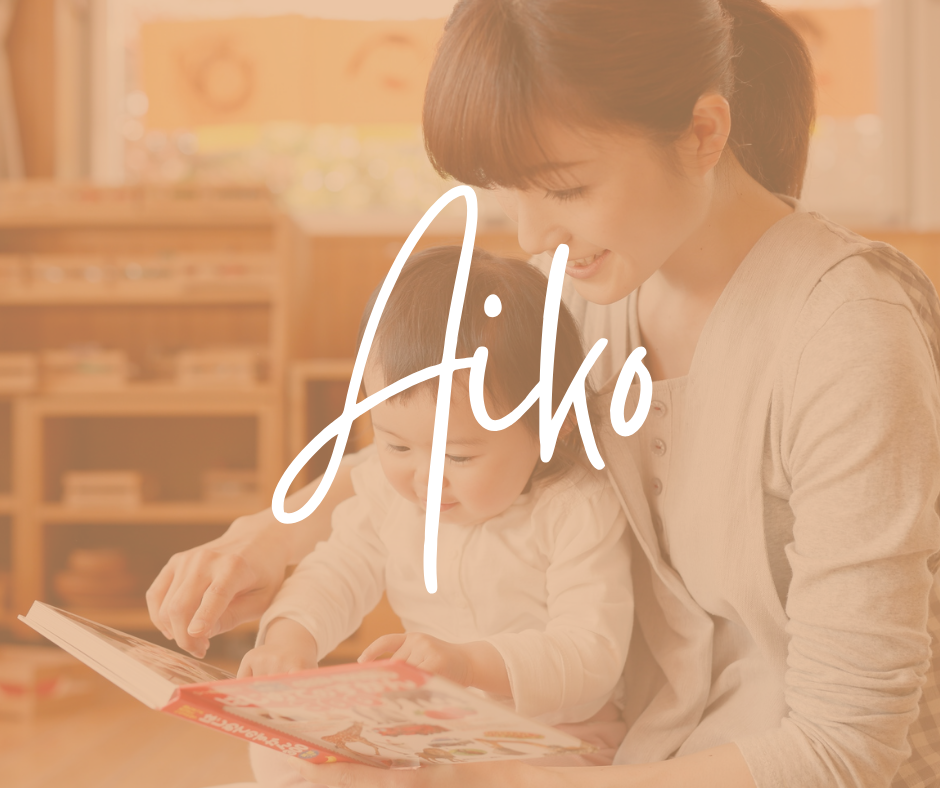
Aiko
“Beloved child” or “child of love”
Akari
“Light” or “brightness”
Akemi
“Bright and beautiful”
Akiko
“Bright child” or “autumn child”
Akina
“Autumn greens” or “bright greens”
Akira
“Bright,” “clear,” or “intelligent”
Ami
“Beautiful” or “beautiful friend”
Airi
“Love and jasmine”
Aina
“Love” or “affection”
Asami
“Morning beauty”
Asuka
“Tomorrow and fragrance”
Ayaka
“Colorful flower” or “beautiful color”
Ayame
“Iris flower”
Ayumi
“Walk,” “progress,” or “moving forward”
Azumi
“Safe residence” or “peaceful dwelling”
B
Beni
“Crimson” or “deep red”
Beniko
“Crimson child”
Benio
Meaning varies depending on the kanji used
Bunko
“Literary child” or “cultured child”
E
Eiko
“Prosperous child” or “eternal child”
Emi
“Beautiful smile” or “beautiful blessing”
Emiko
“Beautiful, blessed child”
Eri
“Blessed prize” or “beautiful reason”
Erika
Meaning varies by kanji, often combining meanings such as “blessing” and “fragrance”
Eriko
“Blessed child” or “child of reason”
Ena
Meaning varies by kanji, with interpretations such as “blessing” and “greens”
Ema
Meaning varies by kanji, often using characters associated with “blessing,” “truth,” or “flax”
Etsuko
“Joyful child”
Etsumi
“Joyful beauty”
Etsuyo
“Joyful generation”
F
Fubuki
“Snowstorm” or “blizzard”
Fumie
“Blessed writing” or “beautiful writing”
Fumika
“Beautiful writing” or “fragrant writing”
Fumiko
“Child of treasured beauty” or “literary child”
Fumina
“Beautiful writing” or “literary grace”
Fumi
“Writing,” “letter,” or “literature”
Fumiyo
“Literary generation” or “beautiful generation”
Fusako
“Child of the tassel” or “abundant child”
Fuyuka
“Winter flower” or “winter fragrance”
Fuyuko
“Winter child”
Fuyumi
“Winter beauty”
H
Hana
“Flower”
Hanae
“Flower branch” or “blossoming branch”
Hanako
“Flower child”
Haruka
“Spring fragrance” or “distant”
Haruko
“Spring child”
Harumi
“Spring beauty”
Haruna
“Spring greens” or “spring vegetation”
Haruyo
“Spring generation”
Hikari
“Light” or “radiance”
Himari
“Sunlight” or “sunflower,” depending on the kanji
Hina
“Sunlight” or “greens,” depending on the kanji
Hinata
“Sunny place” or “place in the sun”
Hiroko
“Generous child” or “prosperous child”
Hiromi
“Generous beauty” or “abundant beauty”
Hitomi
“Pupil of the eye” or “beautiful eyes”
I
Ichika
“One flower” or “one fragrance”
Ichiko
“First child” or “first daughter”
Ikue
“Growing blessing” or “nurturing branch”
Ikuko
“Growing child” or “nurtured child”
Ikumi
“Growing beauty” or “nurturing beauty”
Inori
“Prayer”
Io
Meaning varies by kanji, including characters associated with “thread” and “cherry blossom”
Iori
Meaning varies by kanji, often associated with “weaving” or traditionally with “hermitage”
Itsuki
“Tree” or “timber”
Izumi
“Spring” or “fountain”
J
Jin
“Benevolence” or “compassion”
Jun
“Pure,” “genuine,” or “obedient,” depending on the kanji
Junko
“Pure child” or “genuine child”
Junna
“Pure” and “graceful,” depending on the kanji
Juri
Meaning varies by kanji, with combinations such as “pearl” and “jasmine”
Juna
Meaning varies by kanji, often using characters associated with “purity” and “grace”
K
Kaede
“Maple”
Kaho
“Summer sail” or “flower and grain,” depending on the kanji
Kana
“Beautiful” or “fragrant greens,” depending on the kanji
Kanako
“Beautiful child” or “fragrant child”
Kaori
“Fragrance” or “aroma”
Karen
“Flower” and “lotus,” depending on the kanji
Kasumi
“Mist” or “haze”
Katsumi
“Victorious beauty”
Kayo
“Beautiful generation” or “excellent generation”
Kazue
“Blessed harmony” or “harmonious branch”
Kazuko
“Child of harmony” or “peaceful child”
Kazumi
“Beautiful harmony”
Keiko
“Blessed child” or “respectful child”
Kiyomi
“Pure beauty”
Koharu
“Little spring”
M
Mai
“Dance”
Maiko
“Dancing child”
Maki
“True hope” or “true tree,” depending on the kanji
Mami
“True beauty”
Mana
“Love” or “affection”
Mao
“True center” or “dancing cherry blossom,” depending on the kanji
Mari
“Truth” and “jasmine,” depending on the kanji
Mariko
“Child of truth” or “jasmine child”
Mayu
“True gentleness” or “true excellence”
Megumi
“Blessing” or “grace”
Mei
“Bright” or “sprouting life,” depending on the kanji
Michiko
“Beautiful wise child” or “child of the path”
Midori
“Green”
Mio
“Beautiful cherry blossom” or “beautiful thread,” depending on the kanji
Miyu
“Beautiful gentleness” or “beautiful excellence”
N
Nana
“Seven” or “greens,” depending on the kanji
Nanami
“Seven seas”
Nao
“Honest” or “straightforward”
Naoko
“Honest child” or “esteemed child”
Naomi
“Honest beauty” or “straight beauty”
Natsuki
“Summer hope” or “summer radiance”
Natsuko
“Summer child”
Natsumi
“Summer beauty”
Noa
Meaning varies by kanji, often using characters associated with “hope” and “love”
Nodoka
“Calm,” “peaceful,” or “tranquil”
Noriko
“Child of virtue” or “child of law”
Nozomi
“Hope” or “wish”
Nanako
“Child of seven” or “child of greens,” depending on the kanji
Nami
“Wave”
Natsuna
“Summer greens” or “summer vegetation”
O
Oto
“Sound”
Otoha
“Sound of leaves” or “sound and feather,” depending on the kanji
Otome
“Maiden” or “young girl”
Ouka
“Cherry blossom” or “cherry blossom flower”
Oumi
Meaning varies by kanji, with characters associated with “cherry blossom,” “sea,” or “beauty”
Orie
“Woven blessing” or “woven branch,” depending on the kanji
Orika
“Woven fragrance” or “woven flower”
R
Rai
“Thunder”
Ran
“Orchid”
Rei
“Beautiful,” “lovely,” or “bell,” depending on the kanji
Reika
“Beautiful flower” or “lovely fragrance”
Reiko
“Beautiful child” or “gracious child”
Reina
“Beautiful” and “graceful,” depending on the kanji
Remi
Meaning varies by kanji, often using characters associated with “lotus” and “beauty”
Rena
Meaning varies by kanji, often combining characters associated with “lotus,” “love,” or “grace”
Riko
“Jasmine child” or “child of truth,” depending on the kanji
Rina
“Jasmine” and “greens,” depending on the kanji
Rin
“Dignified” or “cold”
Rinka
“Dignified flower” or “jasmine flower”
Risa
Meaning varies by kanji, often combining characters associated with “jasmine” and “sand”
Rumi
“Flowing beauty” or “lapis lazuli beauty,” depending on the kanji
Ryoko
“Good child,” “refreshing child,” or “bright child,” depending on the kanji
S
Sachi
“Happiness” or “good fortune”
Sachiko
“Child of happiness” or “fortunate child”
Saki
“Blossom” or “hope,” depending on the kanji
Sakura
“Cherry blossom”
Sana
Meaning varies by kanji, often associated with “beauty,” “greens,” or “affection”
Satomi
“Wise beauty” or “village beauty”
Sayaka
“Clear” or “bright”
Sayuri
“Little lily”
Setsuko
“Child of the season” or “child of moderation”
Shiori
“Bookmark” or “guide,” depending on the kanji
Shizuka
“Quiet,” “calm,” or “peaceful”
Sumire
“Violet flower”
Suzume
“Sparrow”
Suzuka
“Bell fragrance” or “refreshing fragrance,” depending on the kanji
T
Takako
“Noble child” or “precious child”
Takara
“Treasure”
Tamaki
“Jewel” or “precious tree,” depending on the kanji
Tamami
“Beautiful jewel”
Tamiko
“Beautiful child” or “child of the people”
Tomiko
“Child of wealth” or “fortunate child”
Tomomi
“Beautiful friend” or “wise beauty”
Towa
“Eternity” or “eternal harmony”
Tsubaki
“Camellia flower”
Tsubame
“Swallow” (the bird)
Tsukiko
“Moon child”
Tsukimi
“Moon viewing”
Tsumugi
“Pongee silk” or “spinning/weaving”
Tsuruko
“Crane child”
Tsubasa
“Wings”
U
Ume
“Plum blossom”
Umeko
“Plum blossom child”
Umi
“Sea” or “ocean”
Urara
“Beautiful,” “bright,” or “serene”
Utako
“Song child”
Uta
“Song” or “poem”
Ui
Meaning varies by kanji, often associated with “first” or “beginning”
Umiho
“Sea” and “sail,” depending on the kanji
Y
Yoko
“Child of sunlight” or “ocean child,” depending on the kanji
Yua
“Binding love” or “connected love”
Yui
“Binding,” “connection,” or “gentleness”
Yuika
“Binding flower” or “beautiful fragrance,” depending on the kanji
Yuina
“Binding” and “greens,” or “gentleness” and “grace,” depending on the kanji
Yuka
“Gentle flower” or “fragrant flower”
Yukari
“Connection” or “affinity”
Yuki
“Happiness,” “snow,” or “hope,” depending on the kanji
Yukiko
“Snow child” or “child of happiness”
Yukina
“Snow” and “greens,” depending on the kanji
Yume
“Dream”
Yumeko
“Dream child”
Yumi
“Beautiful bow” or “abundant beauty,” depending on the kanji
Yuna
“Gentleness” and “greens,” depending on the kanji
Yuri
“Lily”