Japanese boy names are rich with culture and meaning.
Choosing the right name for your baby boy can be hard, but with the right inspiration it doesn’t have to be.
Below you’ll find the most unique and meaningful Japanese names for boys trending this year.
A
Akihiko
“Bright prince” or “bright boy”
Akihiro
“Bright and vast”
Akio
“Bright man” or “bright hero”
Akira
“Bright,” “clear,” or “intelligent”
Akiyoshi
“Bright and virtuous”
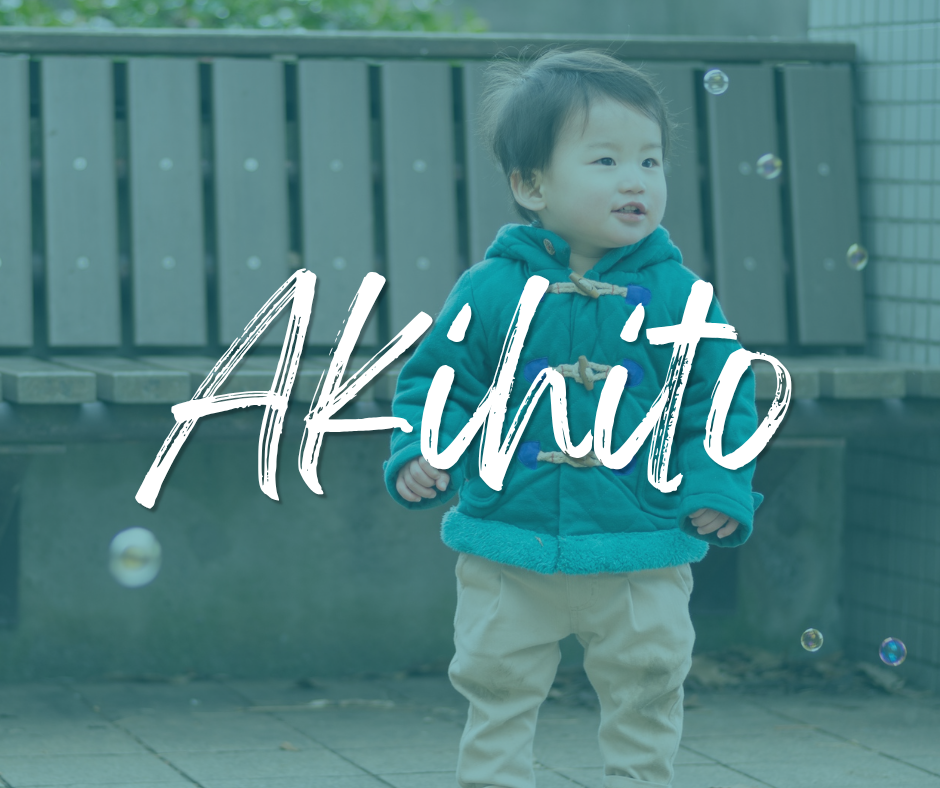
Akito
“Bright person” or “autumn person”
Arata
“New” or “fresh”
Aoi
“Hollyhock” or “blue-green”
Asahi
“Morning sun” or “rising sun”
Atsuhiko
“Sincere prince” or “warm-hearted boy”
Atsuki
“Warmth and hope”
Atsushi
“Sincere,” “earnest,” or “warm-hearted”
Ayato
“Colorful person” or “colorful flight”
Ayumu
“To walk” or “to move forward”
Azuma
“East”
D
Daichi
“Great earth” or “great wisdom”
Daigo
“Great enlightenment”
Daiki
“Great radiance” or “great tree”
Daisuke
“Great help” or “great assistance”
Daisho
“Great flight” or “great soaring”
Daishin
“Great sincerity” or “great faith”
Daiju
“Great tree”
Daisei
“Great achievement” or “great sincerity”
Daiki
“Great hope” or “great radiance”
Dan
“Warmth” or “warm-hearted,” depending on the kanji
E
Eiichi
“Prosperous first son”
Eiji
“Eternal peace” or “prosperous second son”
Eikichi
“Prosperous good fortune”
Eisaku
“Prosperous creation”
Eishin
“Eternal sincerity”
Eisuke
“Prosperous helper”
Eita
“Eternal greatness”
Eitaro
“Prosperous eldest son”
Eito
“Eternal flight”
En
“Connection” or “destiny”
G
Gaku
“Mountain peak” or “learning,” depending on the kanji
Gakuto
“Mountain peak” and “flight,” depending on the kanji
Gen
“Origin” or “beginning”
Genichi
“First origin”
Genji
“Second origin”
Genki
“Vitality” or “original radiance”
Genta
“Great origin”
Gentaro
“Eldest son of the origin”
Goro
“Fifth son”
Go
“Strength” or “fortitude”
H
Hajime
“Beginning” or “first”
Haruki
“Spring tree” or “spring radiance”
Haruto
“Sunlight” and “flight,” depending on the kanji
Haruma
“Spring” and “truth,” depending on the kanji
Hayate
“Swift wind” or “gale”
Hayato
“Falcon person” or “falcon and flight,” depending on the kanji
Hibiki
“Echo” or “resonance”
Hideaki
“Excellent brightness” or “outstanding radiance”
Hideki
“Excellent tree” or “outstanding radiance”
Hikaru
“Light” or “radiance”
Hinata
“Sunny place” or “place in the sun”
Hiroki
“Vast tree” or “abundant hope”
Hiroshi
“Generous,” “broad,” or “prosperous”
Hiroto
“Vast flight” or “great soaring”
Hisashi
“Long-lasting” or “enduring”
I
Ibuki
“Breath” or “vitality”
Ichiro
“First son”
Ikki
“One radiance” or “one hope,” depending on the kanji
Ikuto
“Nurturing” and “flight,” depending on the kanji
Ippei
“One” and “peace,” depending on the kanji
Isamu
“Courage” or “bravery”
Isao
“Merit,” “achievement,” or “honor”
Issei
“One” and “sincerity,” depending on the kanji
Itsuki
“Tree” or “timber”
Iori
“Hermitage” or “retreat”
Izuru
“To emerge” or “to rise”
J
Jin
“Benevolence” or “compassion”
Jiro
“Second son”
Jo
“Pure” or “clean,” depending on the kanji
Joji
“Orderly rule” or “governance,” depending on the kanji
Jun
“Pure,” “genuine,” or “obedient,” depending on the kanji
Junichi
“Pure first son”
Junji
“Pure second son” or “orderly governance,” depending on the kanji
Junpei
“Pure peace” or “genuine peace”
Junya
“Pure” and “also,” depending on the kanji
Juzo
“Tenth son”
K
Kaito
“Ocean” and “soaring,” depending on the kanji
Kaisei
“Ocean” and “star,” depending on the kanji
Kanata
“Beyond” or “far away”
Kaoru
“Fragrance” or “aroma”
Kazuki
“Harmony” and “hope,” depending on the kanji
Kazuma
“Harmony” and “truth,” depending on the kanji
Kei
“Blessing” or “respect,” depending on the kanji
Keita
“Blessed and great,” depending on the kanji
Ken
“Healthy,” “strong,” or “wise,” depending on the kanji
Kenji
“Healthy second son” or “wise second son”
Kenshin
“Modesty” or “devotion,” depending on the kanji
Kenta
“Healthy and strong”
Kiyoshi
“Pure” or “clean”
Kohei
“Peaceful” or “fair,” depending on the kanji
Kota
“Great happiness” or “peaceful greatness,” depending on the kanji
M
Makoto
“Sincerity” or “truth”
Manabu
“To learn” or “to study”
Masahiro
“Righteous and generous,” depending on the kanji
Masaki
“Righteous tree” or “true hope,” depending on the kanji
Masaru
“Victory” or “excellence”
Masato
“Righteous person” or “true person,” depending on the kanji
Masayuki
“Righteous happiness,” depending on the kanji
Michio
“Man of the path”
Minato
“Harbor” or “port”
Minoru
“To bear fruit” or “to ripen”
Mitsuki
“Full moon” or “light and hope,” depending on the kanji
Mitsuo
“Shining man” or “man of light,” depending on the kanji
Motoaki
“Original brightness,” depending on the kanji
Motoki
“Original tree” or “foundation of hope,” depending on the kanji
Musashi
“Warrior” or “military strength,” depending on the kanji
N
Naoki
“Honest tree” or “straight tree,” depending on the kanji
Naoto
“Honest person” or “straightforward person,” depending on the kanji
Naoya
“Honest” and “also,” depending on the kanji
Naruhito
“Virtuous person,” depending on the kanji
Natsuki
“Summer hope” or “summer radiance,” depending on the kanji
Natsuo
“Summer man”
Noboru
“To rise” or “to ascend”
Nobuaki
“Faithful brightness” or “trustworthy radiance,” depending on the kanji
Nobuhiko
“Faithful prince” or “trustworthy boy,” depending on the kanji
Nobuo
“Faithful man” or “trustworthy man,” depending on the kanji
Nobuyuki
“Faithful happiness” or “trustworthy good fortune,” depending on the kanji
Noriaki
“Bright principles” or “enlightened law,” depending on the kanji
Norihiko
“Virtuous prince” or “prince of principles,” depending on the kanji
Norio
“Man of principles” or “lawful man,” depending on the kanji
Noriyuki
“Virtuous happiness” or “principled good fortune,” depending on the kanji
O
Osamu
“To govern” or “to cultivate,” depending on the kanji
Osuke
“Great help,” depending on the kanji
Otoya
“Sound” and “also,” depending on the kanji
Oto
“Sound,” depending on the kanji
Ojiro
“Second son,” depending on the kanji
R
Raiden
“Thunder and lightning,” depending on the kanji
Raito
“Thunder” and “soaring,” depending on the kanji
Rei
“Courtesy,” “wisdom,” or “beautiful,” depending on the kanji
Reiji
“Courtesy” and “to govern,” depending on the kanji
Ren
“Lotus”
Riku
“Land”
Rikuto
“Land” and “soaring,” depending on the kanji
Rin
“Dignified” or “cold,” depending on the kanji
Rintaro
“Dignified eldest son,” depending on the kanji
Ritsu
“Rhythm” or “law,” depending on the kanji
Ryo
“Refreshing,” “excellent,” or “cool,” depending on the kanji
Ryohei
“Excellent” and “peace,” depending on the kanji
Ryota
“Excellent” and “great,” depending on the kanji
Ryusei
“Shooting star”
Ryuto
“Dragon” and “soaring,” depending on the kanji
S
Saku
“To bloom,” depending on the kanji
Sakuya
“To bloom” and “also,” depending on the kanji
Satoshi
“Wise” or “intelligent,” depending on the kanji
Seiji
“Sincere” and “to govern,” depending on the kanji
Seiya
“Starry night,” depending on the kanji
Shigeru
“To flourish” or “to grow thickly”
Shin
“Truth,” “faith,” or “new,” depending on the kanji
Shinji
“Truth” and “to govern,” depending on the kanji
Shinnosuke
“True” and “helper,” depending on the kanji
Shiro
“Fourth son,” depending on the kanji
Shota
“Soaring” and “great,” depending on the kanji
Sora
“Sky”
Sosuke
“To create” and “helper,” depending on the kanji
Subaru
“The Pleiades star cluster”
Susumu
“To advance” or “to progress”
T
Taichi
“Great first son,” depending on the kanji
Taiga
“Great river”
Taiki
“Great radiance” or “great hope,” depending on the kanji
Taisei
“Great achievement,” depending on the kanji
Takahiro
“Noble and generous,” depending on the kanji
Takashi
“Noble,” “prosperous,” or “revered,” depending on the kanji
Takeo
“Warrior” or “brave man,” depending on the kanji
Takumi
“Artisan” or “skilled craftsman”
Taro
“Eldest son”
Tatsuya
“Dragon” and “also,” depending on the kanji
Tomohiro
“Wise and generous,” depending on the kanji
Tomoya
“Friend” and “also,” depending on the kanji
Toru
“To pass through” or “to penetrate,” depending on the kanji
Toshiro
“Talented son” or “clever son,” depending on the kanji
Tsubasa
“Wings”
U
Uichi
“Right” and “first,” depending on the kanji
Ukon
“Right” and “near,” depending on the kanji
Umi
“Sea” or “ocean”
Ushio
“Ocean tide”
Utaro
“Song” and “eldest son,” depending on the kanji
Uta
“Song”
W
Wataru
“To cross” or “to travel across,” depending on the kanji
Wakato
“Young” and “soaring,” depending on the kanji
Wakaba
“Young leaves”
Wakaki
“Young tree,” depending on the kanji
Y
Yamato
“Great harmony,” depending on the kanji
Yasuhiro
“Peaceful and generous,” depending on the kanji
Yasuo
“Peaceful man,” depending on the kanji
Yoichi
“First son,” depending on the kanji
Yoshihiro
“Righteous and generous,” depending on the kanji
Yoshiki
“Righteous hope,” depending on the kanji
Yoshio
“Righteous man,” depending on the kanji
Yoshito
“Righteous person,” depending on the kanji
Yoshiyuki
“Righteous happiness,” depending on the kanji
Yota
“Sunlight” and “great,” depending on the kanji
Yu
“Courage,” “gentleness,” or “excellence,” depending on the kanji
Yudai
“Great courage,” depending on the kanji
Yuki
“Happiness” or “courage,” depending on the kanji
Yuma
“Gentleness” and “truth,” depending on the kanji
Yuto
“Gentleness” and “soaring,” depending on the kanji
Z
Zen
“Meditation” or “goodness,” depending on the kanji
Zenji
“Goodness” and “to govern,” depending on the kanji
Zenjiro
“Goodness” and “second son,” depending on the kanji
Zennosuke
“Goodness” and “helper,” depending on the kanji
Zensuke
“Goodness” and “helper,” depending on the kanji
Zentaro
“Goodness” and “eldest son,” depending on the kanji
Zenzo
“Goodness” and “three,” depending on the kanji
Zento
“Goodness” and “soaring,” depending on the kanji