
Looking for meal and snack ideas for gestational diabetes?
There are a few do’s and don’ts of gestational diabetes that you should know. One of the big don’ts is letting yourself get stressed out about what you’re going to eat.
When I was diagnosed with gestational diabetes a few weeks ago I struggled with meal planning. Not because I don’t know how to eat healthy but because tracking nutrition is time consuming.
I’m a busy pregnant work from home mom and time is not something I have a lot of. After my diagnosis I wrote down all my meals and snacks and tracked carbs and calories to get a feel for what I could eat and what were problem foods for me.
While it was helpful, it was also stressful because it was taking my attention away from my daughter, work and my home.
But I put the work in and I don’t want it to go to waste. I’m sharing these gestational diabetes meal and snack ideas in hopes of making life with gestational diabetes a little easier for you.
If you find this gestational diabetes meal plan helpful please share it with your friends and family on Pinterest ❤️
20 Meal & Snack Ideas For Gestational Diabetes
This post contains affiliate links. For more information, please read my disclosure here.
5 Breakfast Ideas For Gestational Diabetes
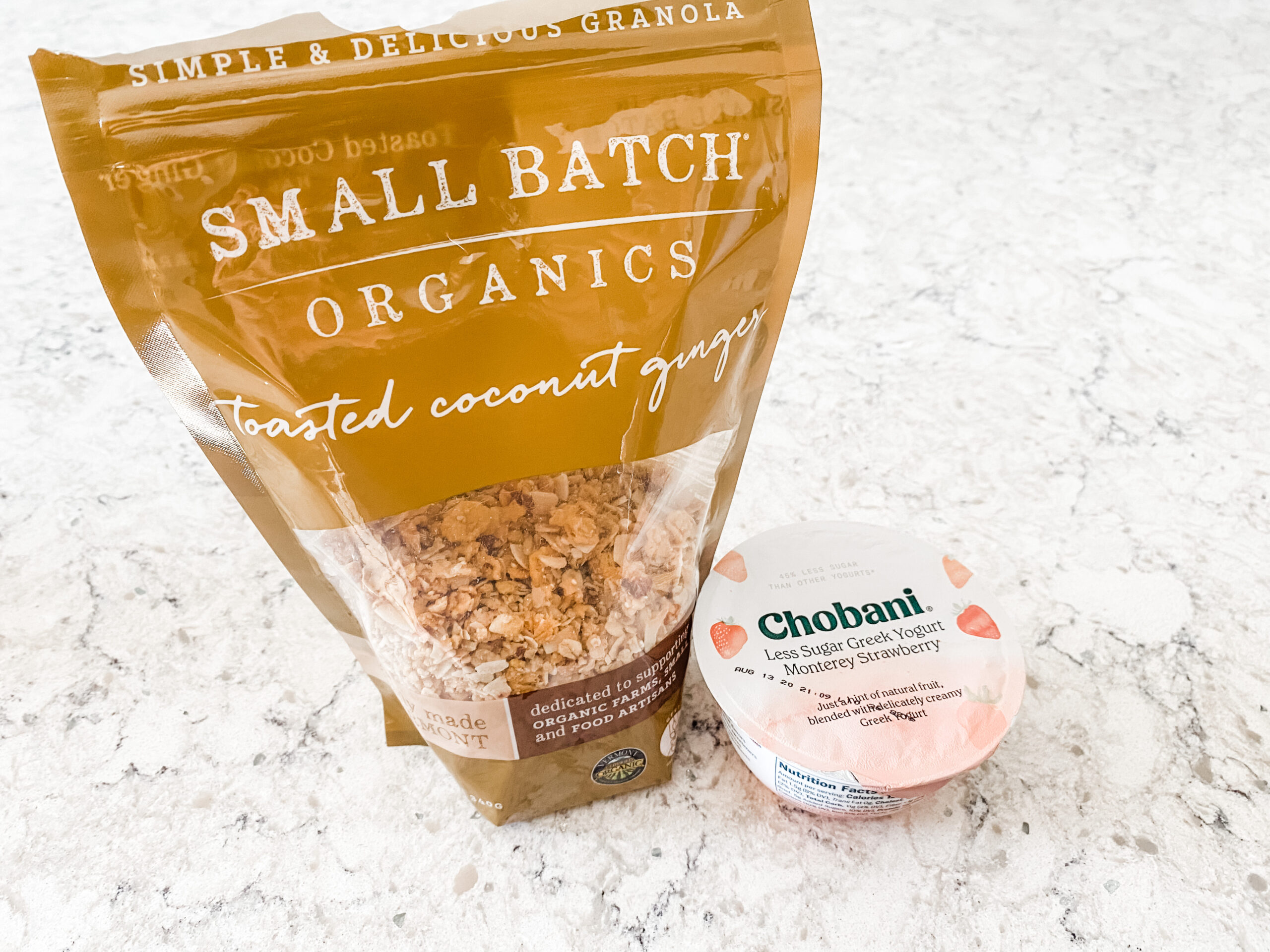
Greek Yogurt And Granola
I don’t usually buy organic but this brand of granola had the least carbs and calories per serving size compared to the other granolas available at my grocery store.
Also notice that this Chobani greek yogurt is the less sugar version and has less carbs than regular Chobani greek yogurt.
Chobani Strawberry Greek Yogurt (Less Sugar Version): Carbs 11 Calories 120
1/3 Cup Small Batch Organics Toasted Coconut Granola: Carbs 18 Calories 130
Total:
Carbs: 29
Calories: 250
Spinach Onion Swiss Omelet And Toast With Almond Butter
Omelets are a great choice for breakfast with gestational diabetes. This is the nutrition information for the omelets I make but you can put whatever veggies or cheese that you’d like in yours and it won’t change the carb and calorie content too much.
Omelet
2 Eggs: Carbs 0 Calories 140
1/2 Cup Spinach: Carbs 0 Calories 5
1 Tbs. Chopped Red Onion: Carbs 1 Calories 4
2 Slices Swiss Cheese: Carbs 2 Calories 140
1/2 Tbs. Butter: Carbs 0 Calories 50
Toast
1 Slice Whole Wheat Bread: Carbs 17 Calories 90
1 Tbs. Almond Butter: Carbs 3 Calories 105
Total:
Carbs: 23
Calories: 534
Avocado Onion Mozzarella Omelet And Toast With Almond Butter
Omelet
1 Egg: Carbs 0 Calories 70
1/4 Tbs. Butter: Carbs 0 Calories 13
1/4 Cup Mozzarella: Carbs 1 Calories 90
2 Tbs. Avocado: Carbs 2 Calories 35
1 Tbs. Chopped Red Onion: Carbs 1 Calories 4
Toast
1 Slice Whole Wheat Bread: Carbs 17 Calories 90
1 Tbs. Almond Butter: Carbs 3 Calories 105
Total:
Carbs: 24
Calories: 407
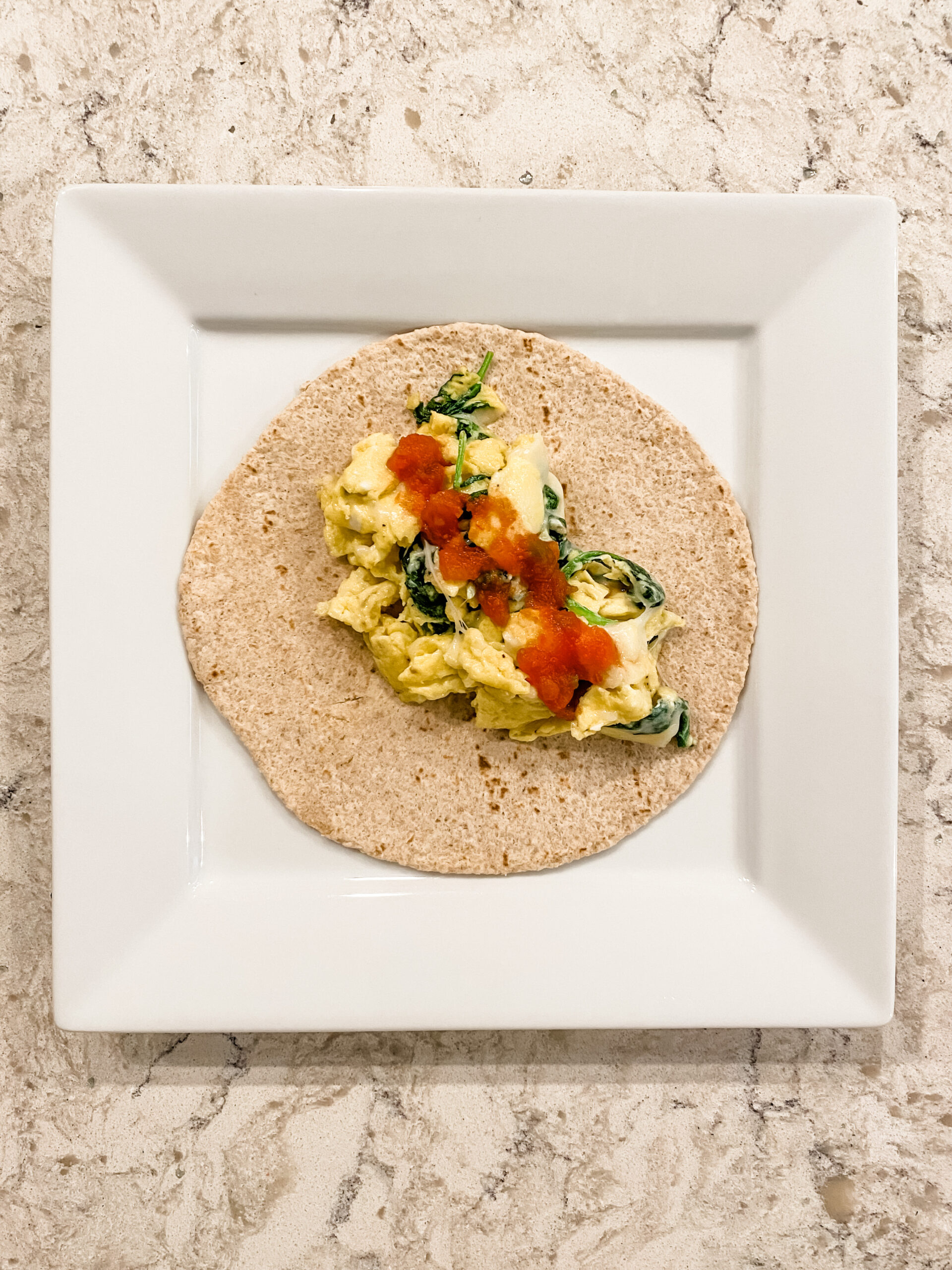
Spinach Mozzarella Egg Wrap With Salsa
As long as the wrap is small and made from whole wheat you can put just about anything in a breakfast burrito with eggs for a healthy breakfast for gestational diabetes.
1 Mission Whole Wheat Tortilla: Carbs 22 Calories 110
2 Eggs: Carbs 0 Calories 140
1 Cup Spinach: Carbs 1 Calories 10
1/4 Cup Mozzarella: Carbs 1 Calories 90
1 Tbs. Salsa: Carbs 1 Calories 5
Total:
Carbs: 25
Calories: 355
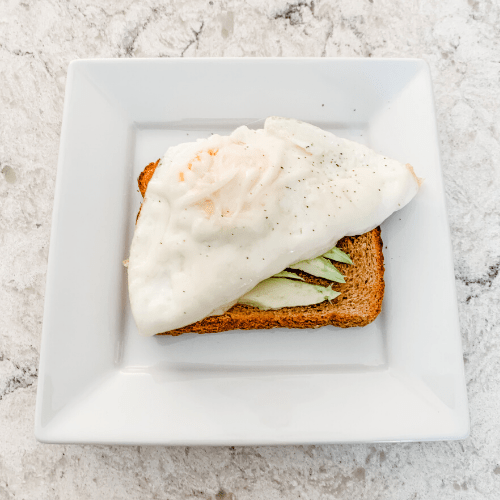
Fried Eggs Mozzarella Avocado On Toast
2 Eggs: Carbs 0 Calories 140
1 Slice Whole Wheat Bread: Carbs 17 Calories 90
2 Tbs. Avocado: Carbs 2 Calories 35
1/4 Cup Mozzarella: Carbs 1 Calories 90
1/4 Tbs. Butter: Carbs 0 Calories 13
5 Lunch Ideas For Gestational Diabetes
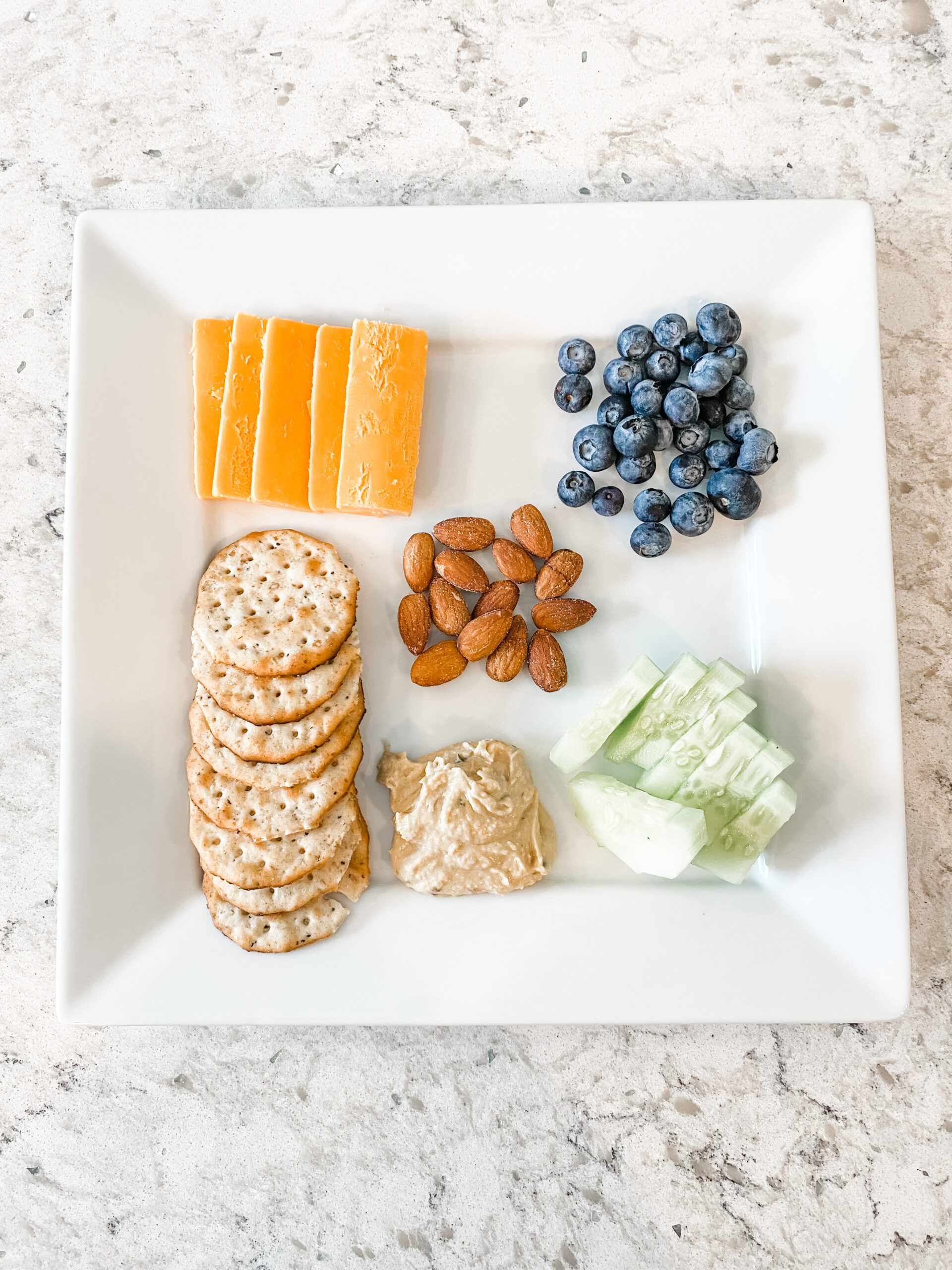
Little Bit Of Everything Plate
The little bit of everything plate is a super healthy lunch choice for women with gestational diabetes. It has almost all the food groups and you can switch out the veggies and fruit to fit your taste.
8 Whole Wheat Crackers: Carbs 22 Calories 120
1/8 Cup Almonds: Carbs 4 Calories 100
2 oz. Colby Cheese: Carbs 2 Calories 220
1/4 Cup Blueberries: Carbs 5 Calories 21
1/4 Cucumber: Carbs 1 Calories 9
2 Tbs. Hummus: Carbs 4 Calories 80
Total:
Carbs: 38
Calories: 550
Turkey Burger Wrap And Carrots With Hummus
Burger Wrap
1 Mission Whole Wheat Tortilla: Carbs 22 Calories 110
Turkey Burger: Carbs 0 Calories 190
1 Tbs. Chopped Red Onion: Carbs 1 Calories 4
3 Pickle Chips: Carbs 1 Calories 5
1 Slice Swiss: Carbs 1 Calories 70
1/2 Tbs. Ketchup: Carbs 3 Calories 10
Carrots & Hummus
1 Lg. Carrot: Carbs 6 Calories 25
4 Tbs. Hummus: Carbs 8 Calories 160
Total:
Carbs: 42
Calories: 574
Chicken Cheese Quesadilla
2 Missions Whole Wheat Tortillas: Carbs 44 Calories 220
1/2 Chicken Breast: Carbs 0 Calories 141
1/4 Cup Taco Blend Cheese: Carb 1 Calories 90
2 Tbs. Sour Cream: Carbs 2 Calories 60
4 Tbs. Salsa: Carbs 4 Calories 20
Total:
Carbs: 51
Calories: 531
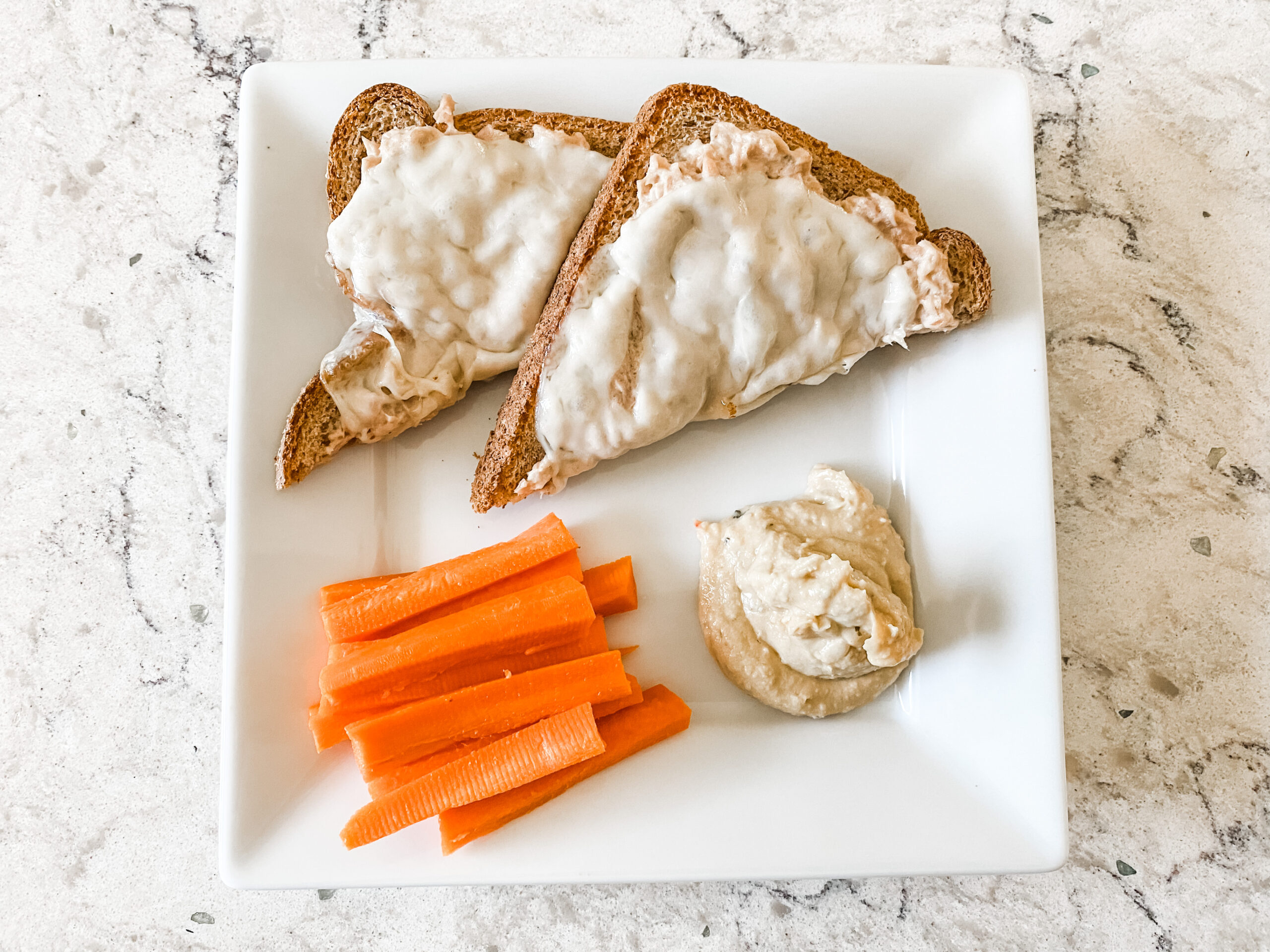
Open Tuna Melt And Carrots With Hummus
Open Faced Sandwich
1 Slice Whole Wheat Bread: Carbs 17 Calories 90
1/2 Can Chunk Light Tuna: Carbs 0 Calories 50
1 Tbs. Mayonnaise: Carbs 0 Calories 100
1 Slice Provolone: Carbs 0 Calories 60
Carrots & Hummus
1 Lg. Carrot: Carb 6 Calories 25
4 Tbs. Hummus: Carbs 8 Calories 160
Fruit Chicken And Walnut Salad
2 Cups Spring Mix: Carbs 3 Calories 15
1/2 Chicken Breast: Carbs 0 Calories 141
1/2 Cup Strawberries: Carbs 6 Calories 27
1/4 Cup Blueberries: Carbs 5 Calories 20
1/4 Cup Walnuts: Carbs 4 Calories 191
2 Tbs. Balsamic Vinaigrette: Carbs 4 Calories 70
Total:
Carbs: 22
Calories: 464
5 Dinner Ideas For Gestational Diabetes
Turkey Burger And Sweet Potato Fries
I absolutely love sweet potato fries and the nutrition information for this is based off of making them homemade using this recipe. One serving is about 1/2 a sweet potato.
1 Burger: Carbs 0 Calories 190
1 Slice Swiss: Carbs 1 Calories 70
Sweet Potato Fries: Carbs 13 Calories 56
2 Tbs. Ketchup: Carbs 10 Calories 40
Lemon Garlic Butter Shrimp, Brown Rice, And Broccoli
Lemon Garlic Butter Shrimp: Carbs 7 Calories 254
1/2 Cup Brown Rice: Carbs 22 Calories 108
1 Cup Broccoli: Carbs 11 Calories 55
Total:
Carbs: 40
Calories: 417
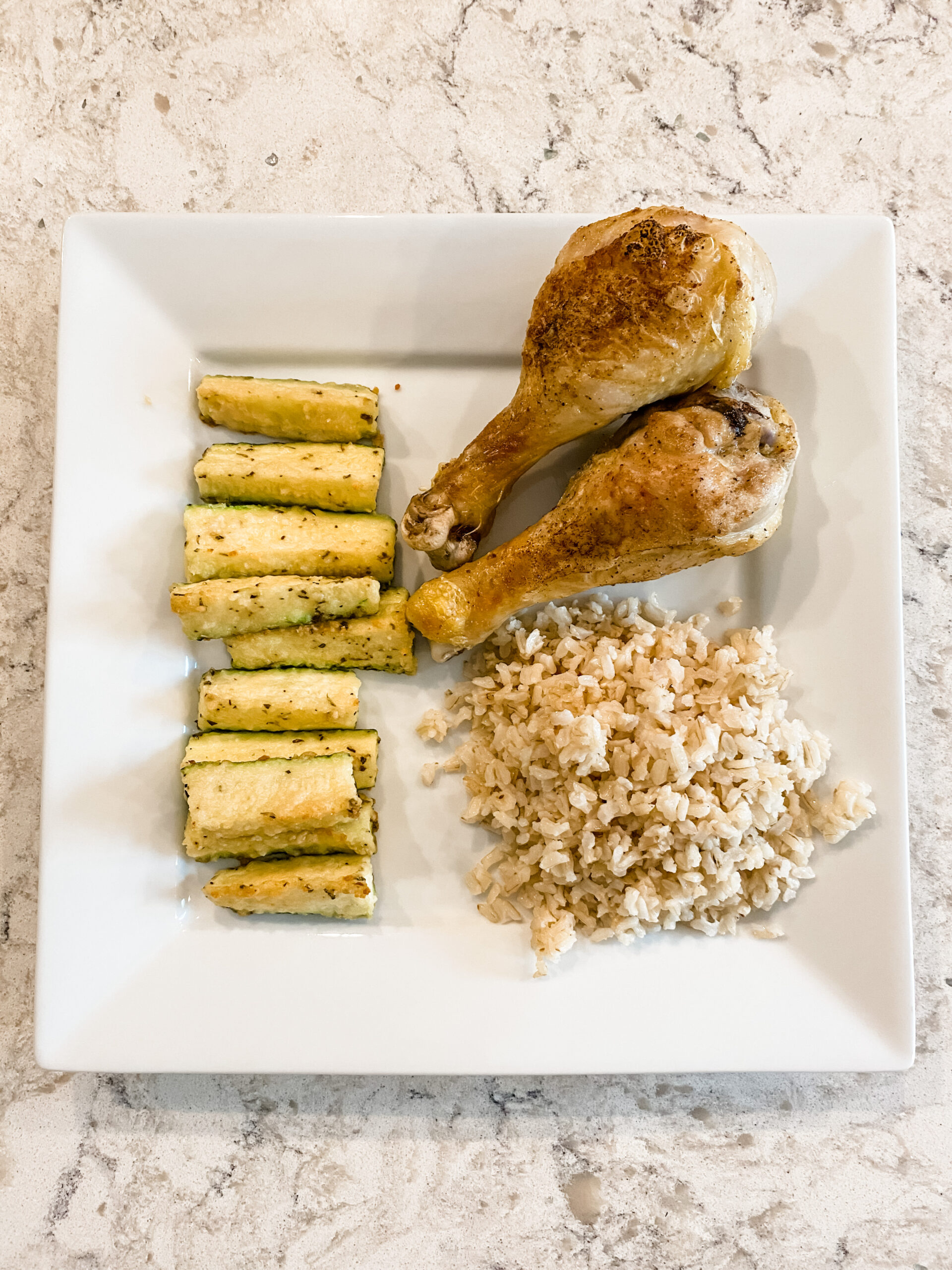
Chicken Drumsticks, Zucchini Fries, And Brown Rice
2 Baked Chicken Drumsticks: Carbs 0 Calories 422
Zucchini Fries: Carbs 20 Calories 132
1/2 Cup Brown Rice: Carbs 22 Calories 108
Total:
Carbs: 42
Calories: 662
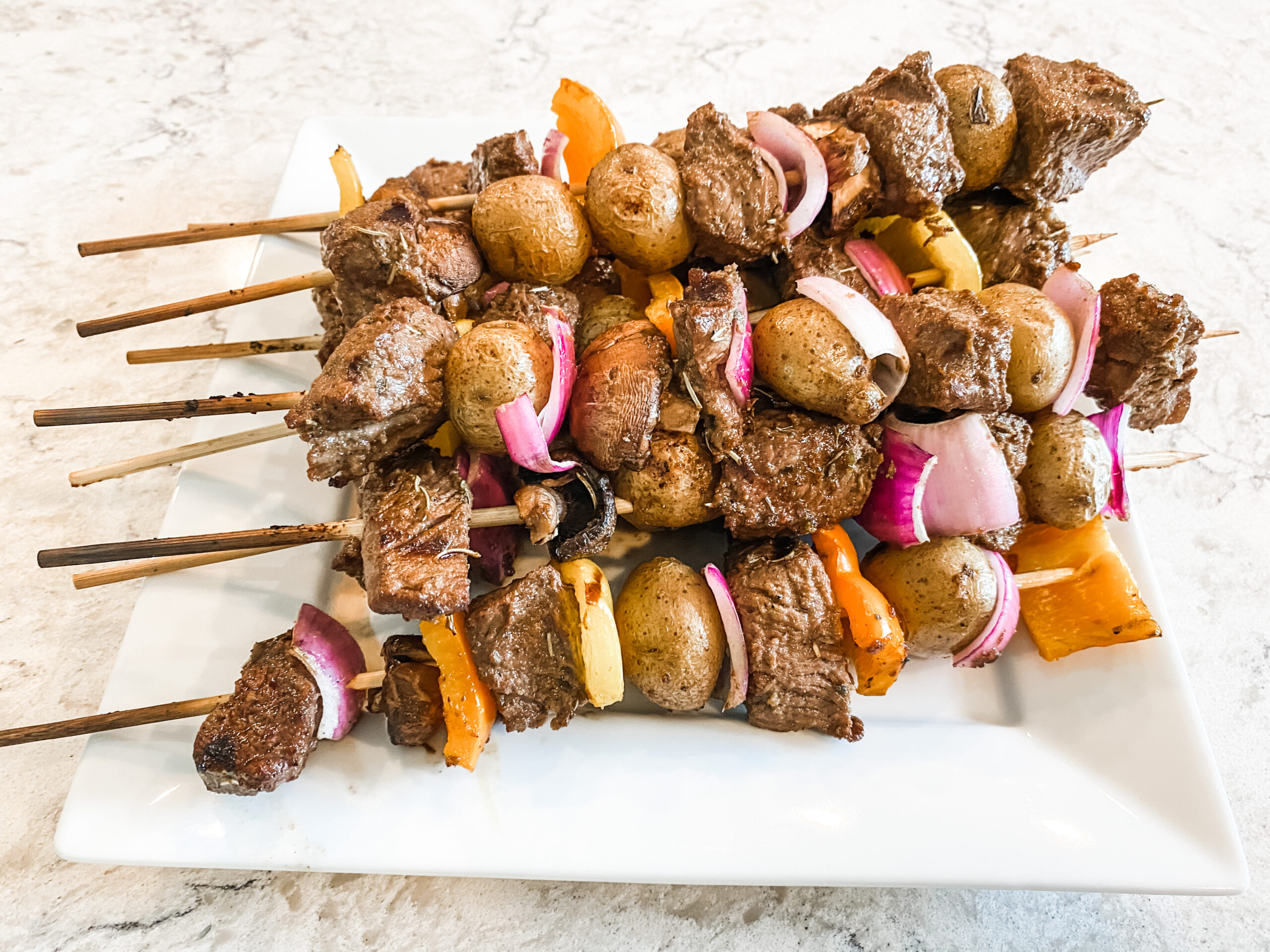
Onion Mushroom Potato Pepper Steak Kabobs
2 Kabobs: Carbs 34 Calories 482
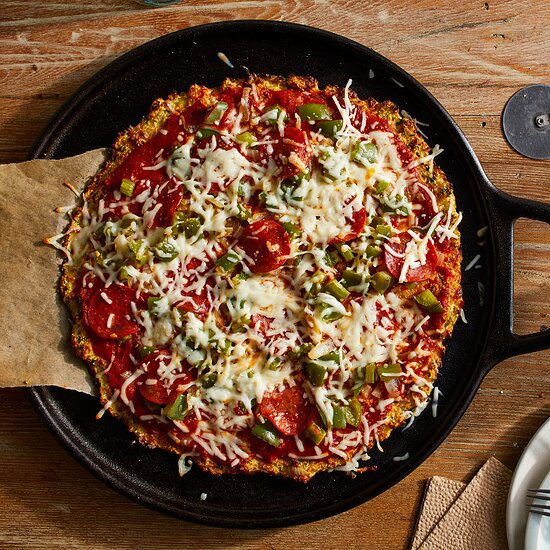
Pepperoni Cauliflower Pizza
3 Slices Pizza: Carbs 32 Calories 579
5 Snack Ideas For Gestational Diabetes
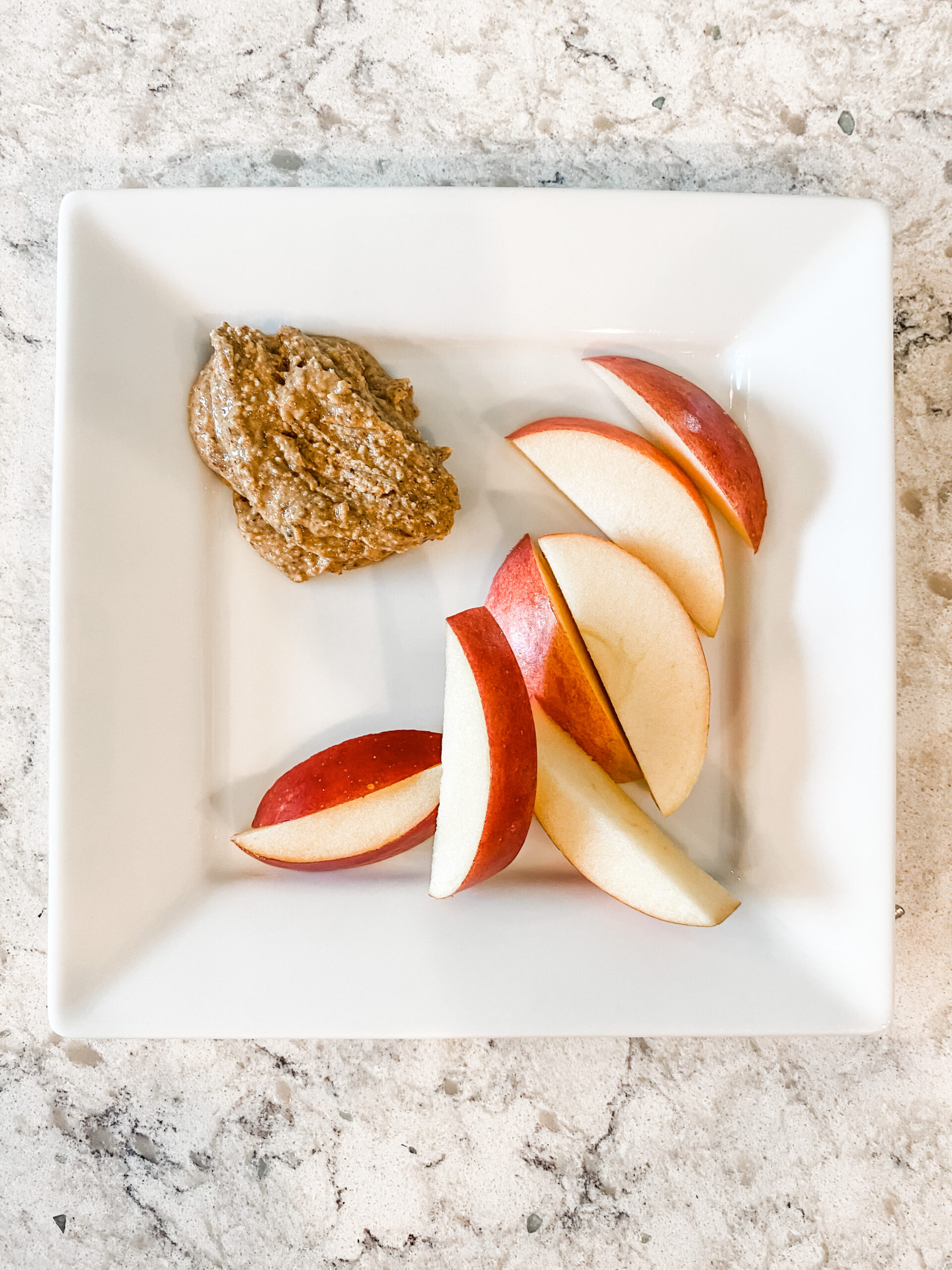
Apple Slices With Almond Butter
1/2 Apple: Carbs 10 Calories 40
2 Tbs. Almond Butter: Carbs 7 Calories 200
Total:
Carbs 17
Calories 240
Carrots With Hummus
1 Lg. Carrot: Carbs 6 Calories 25
4 Tbs. Hummus: Carbs 8 Calories 160
Total:
Carbs 14
Calories 185
Strawberry Blueberry Walnut Salad
2 Cups Spring Mix: Carbs 3 Calories 15
1/2 Cup Strawberries: Carbs 6 Calories 27
1/4 Cup Blueberries: Carbs 5 Calories 20
1/4 Cup Walnuts: Carbs 4 Calories 191
2 Tbs. Balsamic Vinaigrette: Carbs 4 Calories 70
Total:
Carbs: 22
Calories: 323
Pepperoni Cheese And Crackers
1 oz. Turkey Pepperoni: Carbs 0 Calories 70
1 oz Cheddar Cheese: Carbs 1 Calories 115
5 Whole Wheat Ritz Crackers: Carbs 10 Calories 70
Total:
Carbs: 11
Calories: 255
Raspberries And Almonds
1/2 Cup Raspberries: Carbs 7 Calories 32
1/4 Cup Almonds: Carbs 7 Calories 200
Total:
Carbs: 14
Calories: 232
Understanding Gestational Diabetes
Gestational diabetes is a type of diabetes that develops during pregnancy. It can affect both you and your baby, leading to various health complications if not managed properly.
I know getting the diagnoses can be scaring but by listening to your doctor and following their advice mom and baby can have a healthy safe pregnancy.
What Is Gestational Diabetes?
Gestational diabetes occurs when your body can’t produce enough insulin during pregnancy. Insulin helps regulate blood sugar levels.
During pregnancy, hormonal changes make it more difficult for your body to use insulin efficiently, leading to higher blood sugar levels. This condition usually develops in the second or third trimester and often disappears after giving birth.
Most of the time, gestational diabetes doesn’t cause noticeable symptoms. It is usually diagnosed through routine prenatal screening tests. However, some women may experience increased thirst, frequent urination, or fatigue.
If not properly managed, it can lead to complications such as preeclampsia, higher birth weight for your baby, and a greater risk of developing type 2 diabetes later in life.
How It Affects You and Your Baby
For you, gestational diabetes can increase the risk of high blood pressure and preeclampsia, a serious pregnancy complication. It might also require you to undergo more frequent prenatal checks and possibly even early delivery or a cesarean section. Additionally, it raises the likelihood of developing type 2 diabetes after pregnancy.
Your baby could be affected in several ways. High blood sugar levels can cause your baby to grow larger than normal, which can lead to complications during delivery such as shoulder dystocia.
Babies born to mothers with gestational diabetes are also at higher risk for developing neonatal hypoglycemia (low blood sugar) shortly after birth and may require specialized care. Long-term, they might be at an increased risk of obesity and glucose intolerance.
Dietary Basics for Gestational Diabetes
Managing gestational diabetes involves focusing on balanced meals and keeping a close eye on blood sugar levels. You need to be mindful of both macronutrient balance and regular blood sugar monitoring to maintain a healthy pregnancy.
Balancing Macronutrients
Making sure your meals have the right mix of carbohydrates, proteins, and fats is important. Carbohydrates affect your blood sugar the most, so choose options like whole grains, fruits, and vegetables. These provide fiber which helps slow down sugar absorption.
Include plenty of proteins such as lean meats, beans, and dairy. Proteins help stabilize your blood sugar levels. Foods rich in healthy fats, like avocados, nuts, and olive oil, can also keep you feeling full longer.
Consider building your plates with:
- 50% non-starchy vegetables (e.g., spinach, bell peppers)
- 25% lean proteins (e.g., chicken breast, tofu)
- 25% whole grains or starchy vegetables (e.g., quinoa, sweet potatoes)
Monitoring Your Blood Sugar
Keep a blood glucose meter with you to check your sugar levels several times a day. Ideally, you should check your levels:
- Fasting (right after waking up)
- Before meals
- One to two hours after eating
Record these numbers to identify patterns. Your healthcare provider will recommend target ranges for these readings, which are crucial for tweaking your meals and snacks.
Eating regularly, about every 2-3 hours, can help prevent spikes. Combine carbohydrates with proteins or fats in snacks to maintain more stable blood sugar levels throughout the day.
Here’s a pro tip: Pair an apple with some peanut butter or enjoy a slice of whole grain toast with an egg.
Meal Planning Strategies
Managing portion sizes and understanding food labels can make a big difference when it comes to controlling blood sugar levels in gestational diabetes. Here are some practical tips for both.
Portion Control Tips
When it comes to portion control, aim for balanced meals with appropriate serving sizes. Use smaller plates to help regulate the amount of food you eat.
Focus on filling half your plate with non-starchy vegetables, such as:
- Broccoli
- Spinach
- Carrots
For the other half, divide it equally between lean proteins like chicken or tofu, and whole grains.
Keep healthy snacks handy, like:
- A small apple with peanut butter
- A handful of almonds
Using a measuring cup or food scale can also ensure you’re not eating more than intended. Portion control can help in keeping blood sugar levels stable throughout the day.
Reading Nutrition Labels
Nutrition labels are your best friend. Start by checking the serving size, as all the nutritional info relates to that specific amount. Look at the total carbohydrates, including fiber and sugars.
For example:
- Fiber: Aim for foods with higher fiber content; it helps in controlling blood sugar.
- Added Sugars: Keep an eye on this; the lower, the better.
Don’t overlook the ingredients list. Ingredients are listed in order of quantity, so if sugar or any variant is among the first couple of items, it’s best to avoid that product.
Remember to also check for whole food ingredients and avoid processed ones. This way, you’ll make healthier, more informed choices.
Eating Out with Gestational Diabetes
We love to eat out every once in a while. It’s a nice break from having to cook. Let’s face it, when you’re pregnant it’s always nice to get off your feet and let someone else do the cooking for the night.
Don’t let gestational diabetes stop you from getting a break. When dining out, you can still make smart choices that align with managing gestational diabetes.
Entrees: Opt for grilled or baked proteins like chicken, fish, or shrimp. These options often have fewer carbs than fried foods.
Vegetables: Load up on non-starchy veggies like spinach, broccoli, zucchini, and mushrooms. They are low in carbs and high in fiber.
Salads: Salads can be great, but watch the dressings. Go for vinaigrettes instead of creamy dressings.
Sides: Swap out fries for a side salad or steamed veggies.
Here’s a quick reference table for your meals:
| Dish Type | Better Choices |
|---|---|
| Proteins | Grilled chicken, baked fish, shrimp |
| Veggies | Spinach, broccoli, zucchini, mushrooms |
| Salads | Vinaigrette dressing, avoid croutons |
| Sides | Side salad, steamed veggies |
Breakfast: If you’re out for breakfast, choose small whole wheat wraps with eggs and veggies.
Snacks: For snacks, go for string cheese, nuts, or a piece of fruit like a small apple.
Beverages: Stick to water, unsweetened iced tea, or sparkling water. Avoid sugary drinks.
If you’re at an Italian restaurant, spaghetti squash or zoodles can be a good pasta alternative. Mexican restaurants often offer fajitas which you can enjoy without the tortillas.
Don’t hesitate to ask for modifications in restaurants. Many places are willing to accommodate dietary needs.
You Might Also Like
12 Do’s And Don’ts Of Gestational Diabetes
Foods To Avoid While Breastfeeding
What Not To Eat During Pregnancy










What did you use to determine the calorie and carb count of each food item? I am having to take the 3 hour glucose test if a couple of weeks, and I just want to get a head start on the GD, since I don’t think that I will pass the test. I saw your food journal and I think that is a great idea, but not every food package has the calories or carbs 🙁